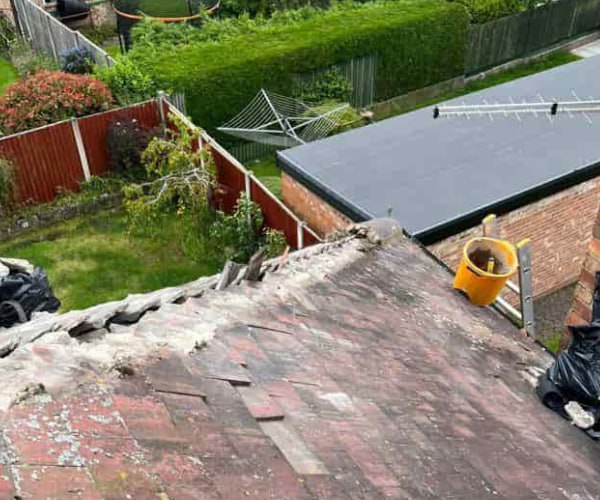
Storm Damage to Roofs: When Should You Arrange Emergency Repairs?
Strong winds and heavy rainfall can place considerable strain on a roof, loosening tiles, damaging flashing and allowing water to enter a property. Some problems are immediately visible after a storm, while others may remain hidden until damp patches or leaks appear indoors. Knowing when to arrange emergency roof repairs can help protect your property and prevent further damage.
For homeowners and businesses in Letchworth Garden City, Hertfordshire, recognising the warning signs of storm damage is an important part of maintaining a secure, weather-resistant roof.
Signs Your Roof May Need Emergency Repairs After a Storm
Not every roofing defect requires an immediate emergency response, but damage that exposes the building to the weather should be assessed promptly. The priority is to identify any immediate hazards and prevent further water ingress where possible.
Missing, Loose or Broken Roof Tiles
Strong gusts can lift or dislodge roof tiles and slates, leaving gaps in the roof covering. Even if only a small section is affected, rainwater may enter through the exposed area and reach the roof structure or loft insulation.
From the ground, look for visible gaps, displaced tiles or pieces of roofing material around the property. Avoid climbing onto the roof to inspect the damage, particularly when surfaces may be wet or unstable.
If the roof covering has been opened up or tiles are continuing to fall, contact a professional roofer promptly to assess the damage and determine the safest repair.
Water Leaks and Damp Patches Indoors
Heavy rainfall can reveal weaknesses in the roof covering, flashing or junctions. Warning signs include dripping water, fresh ceiling stains, damp walls and peeling paint.
A leak that develops during or immediately after a storm should not be ignored. Water can spread beyond the original entry point, so the location of an internal stain may not indicate where the roof has failed.
If water is entering the property, arrange an assessment as soon as possible. If it is safe to do so, move belongings away from the affected area and collect dripping water in a suitable container. Keep clear of wet electrical fittings and seek appropriate assistance if water is near electrical equipment.
Damaged Flashing Around Chimneys and Roof Junctions
Flashing helps seal vulnerable points where the roof meets chimneys, walls and other structures. Strong winds can loosen flashing or worsen existing cracks and gaps, allowing rainwater to penetrate the roof.
Look for metal sections that appear displaced or hanging, but do not attempt to reach or secure them yourself. Loose roofing components can fall unexpectedly, especially during unsettled weather.
Professional roofers can inspect the affected junctions and determine whether the flashing needs securing, repairing or replacing.
Sagging Roof Sections or Structural Damage
A roofline that appears to sag, newly distorted roof timbers or significant movement following a storm may indicate a more serious problem. Heavy water ingress or impact from falling branches can also damage parts of the roof structure.
These warning signs require urgent professional attention. Keep people away from the affected area, avoid entering a potentially unsafe loft or room, and seek emergency assistance if there is an immediate risk of collapse.
Structural concerns should be assessed before any repair work begins.
When Should You Arrange Emergency Roof Repairs?
Emergency roof repairs should be considered when storm damage leaves the property exposed or creates a potential safety hazard. Examples include:
- Large areas of missing roof covering.
- Active leaks that are allowing significant amounts of water inside.
- Loose roofing materials that may fall.
- Major damage around chimneys, roof edges or junctions.
- Visible structural movement or a risk of collapse.
If the damage is minor and the roof remains weatherproof, a scheduled inspection may be appropriate. However, if you are unsure whether the property is safe or protected, seek professional advice rather than waiting for the problem to worsen.
Remember that emergency repairs may initially focus on making the roof safe and limiting water ingress. More complete repairs can follow once conditions allow the roofer to assess the damage properly.
What to Do While Waiting for a Roofer
Your safety should come first after a storm. Do not climb onto a damaged roof or attempt to carry out repairs in strong winds, heavy rain or other hazardous conditions.
If water is entering the property, move furniture and belongings away where it is safe to do so. Take care around wet floors and ceilings, and keep away from any area showing signs of structural weakness. Do not touch electrical equipment or fittings affected by water.
From a safe position, you may be able to take photographs of visible damage to help explain the problem when contacting a roofer. Leave roof-level inspections and temporary repairs to suitably equipped professionals.
How Professional Roof Repairs Help Prevent Further Damage
Storm damage can affect more than the visible roof covering. Dislodged tiles may expose underlay, damaged flashing may allow water into junctions, and prolonged leaks can affect insulation and internal finishes.
A professional inspection helps identify both obvious damage and related defects that may not be visible from the ground. The roofer can then recommend appropriate repairs based on the roof type, the extent of the damage and the condition of surrounding materials.
Prompt attention can help restore weather protection and reduce the likelihood of further deterioration, particularly when the roof has been left exposed after severe weather.
Storm Damage Roof Repairs in Letchworth Garden City, Hertfordshire
BN Roofing Letchworth Garden City provides roofing services for property owners dealing with storm-related roof damage. Whether tiles have become dislodged, flashing has been damaged or water is entering the building, a professional assessment can help establish the most suitable next steps.
If your roof has been affected by severe weather, explain the visible damage and any signs of water ingress when contacting the team. This helps determine the urgency of the situation and the appropriate response.
Conclusion
Storm damage should be taken seriously when it leaves a roof exposed, causes active leaks, creates falling hazards or raises concerns about structural stability. Acting promptly can help protect your property and prevent a roofing problem from becoming more extensive.
For homeowners and businesses in Letchworth Garden City, Hertfordshire, contact BN Roofing Letchworth Garden City to discuss storm damage to your roof and arrange a professional assessment.
Call us on: 01462 411 099
Click here to find out more about BN Roofing Letchworth Garden City
Click here to complete our contact form and see how we can help with your roofing needs.