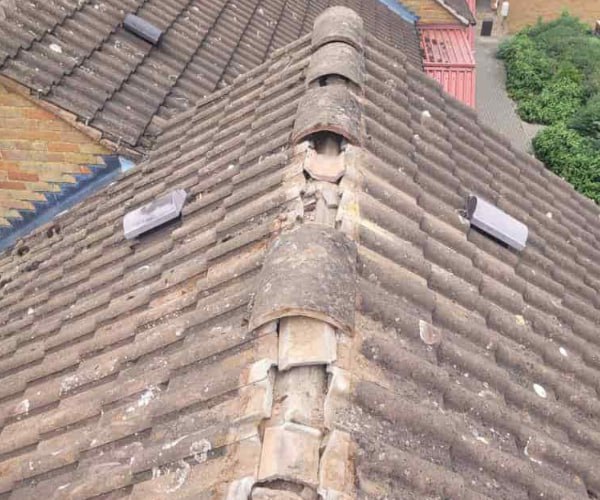
What Causes Slate Roofs to Develop Loose, Cracked or Missing Slates?
Slate roofs are valued for their appearance, durability and ability to protect a property for many years. However, even a well-constructed slate roof can eventually develop loose, cracked or missing slates. These visible problems are often symptoms of wear affecting the slates, their fixings or the supporting materials beneath them.
For property owners in Letchworth Garden City, Hertfordshire, understanding why slate damage occurs can make it easier to recognise when a professional inspection is needed. Prompt attention can help prevent water from reaching the underlay, battens and internal roof space.
Why Individual Slates Begin to Fail
Each slate is normally secured to timber battens using nails, hooks or other suitable fixings. It also overlaps surrounding slates to create a weather-resistant covering. A problem with the slate, its fixing or its support can disturb this arrangement.
Although one loose slate may appear to be an isolated defect, several affected slates can indicate deterioration across a wider section of the roof.
Ageing or Corroded Fixings
Older slate roofs can experience fixing deterioration sometimes described as nail sickness. This occurs when the metal nails holding the slates corrode and lose their ability to provide secure support.
The slate itself may remain in reasonable condition, but once its fixing fails, it can begin to slip down the roof. A slipped slate leaves a gap in the covering and may place pressure on the slates below.
Where several slates have slipped without obvious cracking, the condition of the fixings should be assessed rather than simply assuming that each slate failed independently.
Cracking Around the Fixing Holes
Natural slate is strong but can break around the holes through which it is fixed. Repeated movement, excessive fixing pressure or gradual weathering may weaken these points.
Once the material around a fixing hole cracks, the nail can no longer hold the slate correctly. The slate may slip, become loose or eventually fall from the roof.
Replacing the affected slate can restore the covering, but surrounding slates should also be checked for similar weakness.
Wind and Severe Weather
Strong winds create uplift across a roof, particularly around exposed edges, ridges and other vulnerable sections. A slate that is already loose may be lifted or displaced during unsettled weather.
Wind-driven rain can then enter through the resulting gap, even if the missing or slipped slate is not easily visible from ground level. Repeated exposure can enlarge existing cracks and weaken neighbouring materials.
After a period of severe weather, small pieces of slate around the property or an uneven section of roof covering may indicate that closer inspection is required.
Impact Damage
Slate can crack when struck by falling branches or windblown debris. The damage may be obvious if a section breaks away, but fine fractures can be difficult to identify from below.
A cracked slate may remain in position initially. As weather and temperature changes place further stress on it, the fracture can spread until part of the slate becomes loose.
Impact can also affect more than one component. The slate beneath the point of contact, adjoining slates and the supporting battens may all need to be checked.
Natural Weathering and Delamination
Some natural slates gradually separate into thin layers, a process known as delamination. Moisture can enter fine weaknesses within the material, while repeated wetting, drying and temperature changes can cause the surface to flake.
Delaminated slates become thinner and more fragile. Their edges may crumble, or sections may break away around the fixing points.
Isolated surface weathering may not indicate widespread failure, but extensive flaking across several roof slopes can suggest that the slate covering is deteriorating more generally.
Deteriorated Timber Battens
The battens beneath a slate roof provide the fixing points that keep the covering secure. If moisture has reached these timbers over an extended period, they can soften or decay.
A fixing embedded in a weakened batten may no longer hold firmly, allowing a slate to move even though the fixing and slate appear sound. Simply replacing the visible slate will not resolve the problem if its support has deteriorated.
Professional investigation is important where slates repeatedly loosen in the same area, as the cause may be concealed beneath the covering.
Installation and Previous Repair Issues
Slate performance depends on correct spacing, overlap and fixing. Slates fitted with insufficient overlap may be more vulnerable to wind-driven rain, while fixings positioned incorrectly can place unnecessary stress on the material.
Previous repairs can also create weak points if unsuitable materials or methods were used. A repaired slate must sit correctly within the surrounding pattern so that water continues to flow down the roof rather than beneath it.
Repeated problems in one section may therefore point to an installation issue rather than ordinary ageing.
Movement Within the Roof Structure
Roof structures naturally experience small amounts of movement caused by temperature changes, moisture and settlement. Slate is comparatively rigid, so excessive movement can place stress on individual pieces.
This may lead to cracking, disturbed fixings or an uneven roof surface. Where several slates fail along the same line, the underlying structure and battens may need to be examined.
Signs That a Slate Roof Needs Attention
Possible warning signs include:
- slates sitting lower than the surrounding courses
- visible gaps or uneven sections
- cracked or flaking slate surfaces
- fragments of slate on the ground
- damp patches in the loft or on ceilings
- daylight visible from inside the roof space
- recurring problems in the same roof area
Because water can travel beneath the covering before becoming visible indoors, the location of a damp patch may not reveal the original point of entry.
Conclusion
Slate roofs can develop loose, cracked or missing slates because of corroded fixings, impact, severe weather, material deterioration, weakened battens or installation defects. Identifying the underlying cause is essential because replacing a visible slate alone may not provide a lasting repair.
If you have noticed damaged or displaced slates at your property in Letchworth Garden City, Hertfordshire, BN Roofing Letchworth Garden City can assess the affected area and determine what repair is required. Contact our team to arrange a professional roof inspection and receive clear guidance based on the roof’s condition.
Call us on: 01462 411 099
Click here to find out more about BN Roofing Letchworth Garden City
Click here to complete our contact form and see how we can help with your roofing needs.